







Savvy Veg Fans
"I am awed by the variety of information, recipes, tips etc. I am and will remain a regular visitor :)" - Steph S.
"Thanks for providing the healthiest of the vegetarian recipe options out there, & for choosing recipes that celebrate whole foods!" - Trish R.
"Your website is really cool. The articles are fantastic and the recipes are varied and not difficult. I can't wait to tell my friends about this site!" - Kathy C.
"Your site is quite wonderful. Thank you for helping us live in a sustainable, ethical and healthful way for all living things" - Erin L.
"I just found your website and love that many of the recipes are vegan! Thank you thank you! Love it! So stoked to find you." - Elaine E.
"Thank you for the great advice ... I'm sure your web site will answer all my questions. I'm very happy I found your web site ... thanks again" - Gailey M.
Happy & Healthy with Type I Diabetes
Adapting to Diabetes with Gluten Free Vegan Diet
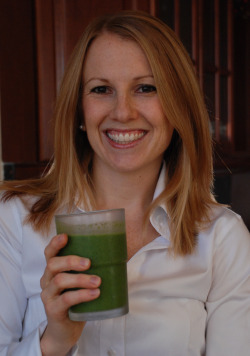
Inspiring personal story from Michelle Sorenson, who was diagnosed with Type I Diabetes at age 25.
Article and photo credit to A Sweet Life
After many challenges and 2 children, with persistence, family love & support, plus some good luck, author Michelle Sorenson is happy and healthy on a gluten free vegan diabetic diet.
If 12 years ago someone had given me a crystal ball and shown me a glimpse of my future, I don't think the biggest surprise would be that I have Type I Diabetes, or that I eat a vegan, gluten free diet. The biggest surprise, I think, would be how much happier and healthier I am now, despite the challenges I have encountered.
Adapting to Diabetes is Process, Not Event
I was diagnosed with Type I Diabetes 11 years ago, a few weeks before my 25th birthday. I was in the middle of graduate school and had felt unwell the entire school year. For a week before I was diagnosed, I was so dehydrated that I could barely speak without drinking. I was exhausted and desperately thirsty.
I finally took myself to the Toronto General Hospital (where Banting and Best first injected patients with insulin). There I received my Type I Diabetes diagnosis and my first insulin in an I.V drip. Thus began the long process of adapting to diabetes.
Initially, I focused on being 'the perfect diabetic.' After about 6 months of carbohydrate counting, writing down all of my blood sugar levels, and battling the physical symptoms of hypoglycemia and hyperglycemia, I felt decades older than my peers. And as I approached the one year anniversary of my diabetes diagnosis and re-lived the trauma of the year before, I felt depressed and overwhelmed.

From the time I was diagnosed with diabetes, I'd also suffered from gastrointestinal symptoms. But I did not have the energy to focus on anything other than my diabetes management and finishing my degree in psychology. I was then accepted into a Ph.D program, but a month before school started, I withdrew. I felt I could not take care of my health and continue with my studies.
Looking back, I realize that it was then, at the one-year mark, that I started grieving. Grieving is a process, and so is adaptation. They don't happen all of a sudden. I had been so focused on my diabetes care regimen, I never stopped to feel sad about the difficult changes I'd had to work through. I also didn't have the energy to attend to my digestive illness. Gradually, I began to accept the changes that came with diabetes, and I came to terms with the sacrifices needed in order to regain my health.
Evolution, Not Revolution
Traditional medical approaches and referrals did not help me to understand my digestive problems. After a few more years of living with uncomfortable gastrointestinal issues, and then a period of worsening symptoms, I decided it was time to give naturopathy a chance.

My naturopath quickly identified a number of food intolerances causing my digestive upset, mood instability and symptoms of fatigue. When I went through my list and saw I needed to eliminate wheat, gluten, dairy, eggs and some of my favorite vegetables and fruit, I wondered what I would eat. But after so many years of feeling ill, I was willing to do anything to feel better.
One of my favorite quotes is 'evolution, not revolution'. And if I had tried to go from my 'SAD' (Standard American Diet) to today�s plant-based diet overnight, I could not have sustained it.
My first step was to eliminate the allergens. I cut out wheat, gluten, dairy and eggs. Initially I experienced some headaches and lost 5 pounds as my body released old toxins. I began to let go of my emotional attachments to food and consequently, felt much more in control of my eating than I had in a long time. I experienced fewer cravings, and took fewer big boluses of insulin.
The worst of my GI symptoms resolved over the course of the first 6-12 months on my new diet. I no longer experienced acute pain, and the constant heartburn I had suffered from started to subside. My husband pointed out my improved energy. I could come home from work and make dinner without tears of exhaustion. There were other signs of improved health, too. For so long, my fingernails had peeled but they began to harden again. My color improved. Overall, I felt about 80% better.

Support Leads to Success
The love and support of my husband, Ben, was crucial to my ability to make these changes. I'd started dating him during the time that my digestive symptoms were worsening. For so long I had blamed my digestive upset on stress, but after leaving my demanding job and becoming self-employed, I was happy and relaxed. On top of it, I'd fallen in love with my husband. So, it made no sense that stress was the reason I was sick all of the time.
As I followed the advice of my naturopath, Ben not only joined in making nearly all the same dietary changes, but he was always observing my health and trying to identify triggers for various symptoms. He would point out that I felt better when I didn't use certain supplements, or that my blood sugar levels were unstable when I ate certain foods. I felt understood and supported and it gave me the strength I needed to soldier on.
Over the years, my extended family has also played a vital role. My mother has learned to make 'Michelle-friendly' vegan foods, and no one blinks at family gatherings when I eat a different meal than everyone else. In fact, when we go on a family holiday, they joke about the opportunity to eat super-healthy vegan food for a week.
Not everyone 'gets it' but I focus on those who do. I have a wonderful group of women in my book club. Everyone brings food to our gatherings, and they enjoy my offerings. Usually someone makes a dish I can eat, specifically thinking of my diabetic diet requirements. If I can't eat something, no one makes a big deal out of it.

It Helps to Have Some Luck
A major turning point in the evolution of my diet came when I started to use the wonderful family-friendly vegan cookbooks by Dreena Burton. I found healthy meals that did not rely on dairy, eggs, or gluten. Instead of eating bland rice and fish, I made chickpea or lentil patties with ginger sauce drizzled over them. I created hearty soups, delicious casseroles and wonderful side dishes without animal products. We made fewer meals with meat at home and enjoyed having more variety.
I did, however, often wish I could eat out more easily. So another wonderful turning point was discovering a raw food restaurant called Live Organic Food Bar, near my workplace in Toronto. All of a sudden I could eat somewhere with amazing, wheat-free, dairy-free and egg-free options. Raw food is full of live enzymes and nutrition. In eating this raw food, I really came to realize that food is medicine.
I ate more and more raw vegan food during my first pregnancy. I developed an addiction to green juice and relished my huge salads, along with dehydrated buckwheat pizzas, raw 'pasta' made from vegetable spirals and amazing raw desserts. The owners of Live joked that I paid their rent; I ate there on a daily basis. It was a great investment, as my blood sugar levels were fantastic and I had a healthy baby girl!
I choose to focus on the luck and good fortune in my life. What if I had not worked down the street from the only raw restaurant in Toronto at that time?

We Have to Work for Our Happiness
During my first busy year as a parent, my digestive symptoms started to increase. I was eating more meat again, just because it was easier. Ben and I then moved to a different city and started new jobs. When I complained about not feeling well, Ben questioned what had changed. He pointed out that we were not eating as many greens as we had before, and certainly less vegan food.
I took an active approach to improving my health. I consulted with a raw food specialist for tips on incorporating more nutrition into my diet. My husband and I decided to start our day with a green smoothie for two weeks and see how we felt. Those green smoothies were a huge step in my transition to a healthy vegan diet. We still start most days with a smoothie, even sometimes taking our hand blender with some spinach and fruit if we are traveling.
When I started drinking the green smoothies, I noticed how much more stable my blood sugar levels were throughout the mornings. Having a carbohydrate-based breakfast had always led to high blood sugar levels in the morning. Another important change was that I craved greens, vegetables and healthy food all day long. I became pregnant again, and had a lot of motivation to eat well.
Although I was drawn to a vegan diet for the health benefits, the environmental and ethical issues are now powerful reinforcements. Once I became more conscious of my food choices, I couldn't help but think more about where my food comes from and what harm is done to our planet in trying to sustain our desire for meat several times a day.
My blood sugar control has vastly improved on a vegan, plant-based diet. I believe a lot of my difficulty with glucose control overnight stemmed from the unpredictability of meat that was digested hours after being eaten, leading to a spike in my blood sugar levels while I slept. Eating fewer refined, starchy foods has been crucial to better control of blood sugar levels, too. I need less insulin with meals, meaning that I am not chasing high sugars and then crashing with low blood sugar levels all the time. And without those sugar highs and lows, I feel healthier and happier.
Happiness is not something that just happens. I have always had lots of blessings in my life, and I have always worked hard to find the good in the face of difficult challenges. Over the last 7 years, I have changed my lifestyle and focused my energy on what makes me and my family happy. It is not my fault that I developed diabetes, but my health is my responsibility and so I do everything I can to create a happy, healthy life.
Author Michelle Sorensen practices clinical psychology in Ottawa, Canada. She has had Type I Diabetes for 11 years and uses her knowledge to provide psychological support for people with diabetes. She enjoys spending time with her family, running, yoga and cooking. Her favorite websites for health information include A Sweet Life, Eat, Drink & Be Vegan, and Crazy Sexy Life.
Related Posts:
Becoming Raw: The Essential Guide to Raw Vegan Diets Can Vegan Diet Improve Diabetes? Dr. Mirkin: Diabetes Can Be Prevented & Cured Food Allergy Survival Guide Preventing Diabetes With Herbs Plant Based Diet, Nutrition, and Health Back To Articles Index Medical Disclaimer Privacy Policy Publishing Policies


